
Flourish Research - San Antonio, TX
Nonalcoholic Fatty Liver Disease (NAFLD) Self Scheduler
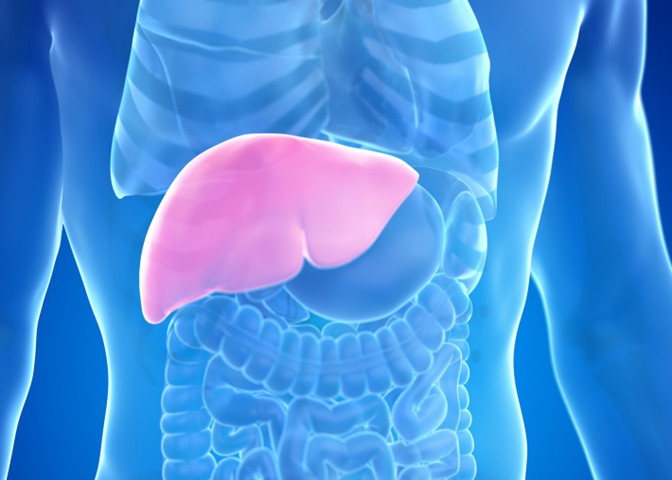
You may be eligible to participate in a clinical research study evaluating an investigational medication for adults with MASH — a condition involving fat buildup and inflammation in the liver — who do not have advanced liver scarring (cirrhosis).
Qualified Participants Must:
- Male or female, age 18 to 75
- BMI of 25 or higher
- Weight has been stable over the last 3 months, and not currently on a structured weight-loss program (i.e., weight watchers)
- Diagnosed w/ type 2 diabetes, or have at least 2 of the following:
- High triglycerides
- Low HDL cholesterol
- High blood pressure
- Prediabetes
Answers Must be NO
- Are you currently taking, or started in the last 3–6 months, any of the following:
- Insulin
- Resmetirom or saroglitazar
- Semaglutide above 1 mg/week (injectable) or 14 mg/day (oral)
- Tirzepatide above 5 mg
- High-dose vitamin E (if taking less than 800 IU’s AND on a stable dose for 3+ months, then okay)
- Weight-loss medications such as orlistat, phentermine, topiramate, or bupropion/naltrexone (unless stable for another medical reason for 3+ months)
- Long-term steroids, methotrexate, amiodarone, valproate, or tamoxifen
- Are you currently pregnant, breastfeeding, or planning to become pregnant during the study?
- Have you had weight-loss (bariatric) surgery within the past 2 years, or one planned during the study?
- Do you consume heavy alcohol (roughly more than 21 drinks/week for men or 14/week for women) or have you used any recreational drugs in the past year
- Do you have uncontrolled digestive issues such as severe acid reflux, gastroparesis, chronic diarrhea, or constipation?
- Have you been told by a doctor that you have cirrhosis (advanced liver scarring), or complications like fluid buildup in the belly, bleeding from swollen veins in the esophagus, or confusion caused by liver disease?
- Have you been diagnosed with a liver disease other than fatty liver disease/MASH (for example, a genetic liver condition)?
- Do you have active hepatitis B or hepatitis C?
- Do you have HIV that is not well controlled (not on stable treatment for at least 6 months)?
- Have you been diagnosed with type 1 diabetes, or a rarer form of diabetes such as MODY or LADA (not type 2 diabetes)?
- Have you been diagnosed with cancer within the past 5 years (other than a treated skin cancer, or a treated mild cervical condition)?
- Do you have a Personal or family history of medullary thyroid carcinoma (a type of thyroid cancer) or Multiple Endocrine Neoplasia type 2 (MEN2)?
- Have you had unstable chest pain, heart attack, stroke, or mini-stroke (TIA) within the past 6 months?
- Have you undergone any heart procedures (stent or bypass surgery) within the past 6 months, or have one planned during the study?
- Do you have Moderate-to-severe heart failure?
- Do you have a history of pancreatitis?
- Do you have uncontrolled blood pressure?
- Do you have a bleeding disorder such as hemophilia or a clotting factor deficiency?
- Have you had treatment within the past 3 months for retinopathy?
- Do you have obesity caused by a genetic condition or a hormone disorder (such as Cushing’s syndrome or untreated low thyroid)?
- Do you have any severe allergic or anaphylactic reaction to GLP-1 medications (such as semaglutide, liraglutide, dulaglutide) or glucagon-based medications?
- Are you currently enrolled in another research study, or received an investigational drug within the last 3 months?
- Have you had signs of an active infection (such as a viral or bacterial illness, or a stomach/intestinal bug) within the past 2–4 weeks?
Answers Must be YES
- If female and able to become pregnant:
- Must be willing to use a highly effective form of birth control throughout the study, including oral contraceptives, contraceptive patches, implants, injections, or vaginal rings
- Intrauterine devices [IUD], from 1 month prior to study drug administration, throughout the study, and for at least 1 month after study completion
- Female subjects of non-childbearing potential are eligible if they are surgically sterile (bilateral oophorectomy, hysterectomy, or tubal ligation at least 3 months prior to screening), or post-menopausal (defined as > 12 consecutive months without menses).
- If male with a partner who could become pregnant: willing to use protection and not donate sperm during the study and for 1 month after study is completed.
Flourish Research News
Stay current with the latest clinical trial news and learn how Flourish Research is supporting the advancement of life-changing therapeutics.