
PTSD: Understanding Symptoms, Causes, and Treatment Options


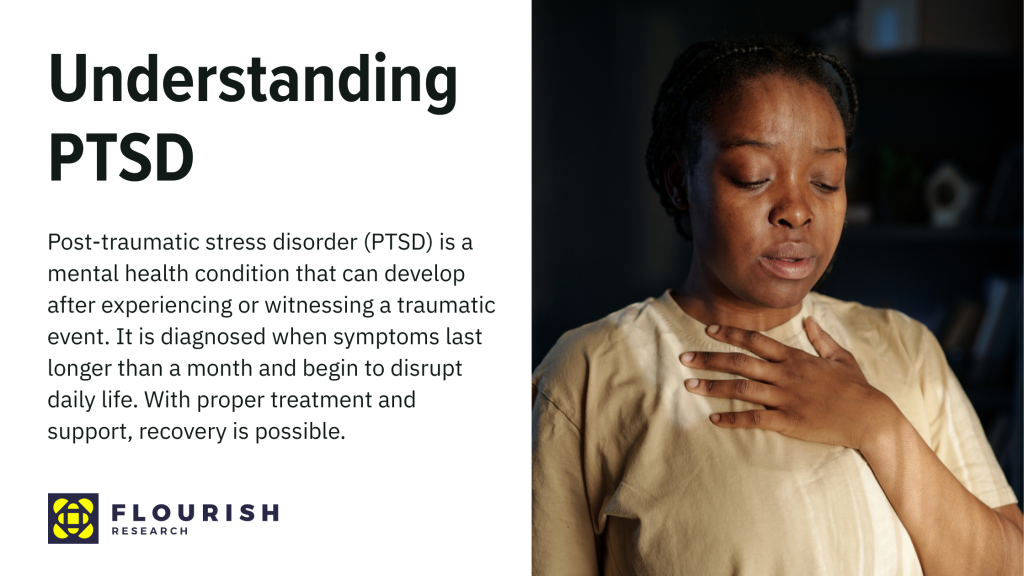
Post-traumatic stress disorder (PTSD) is a mental health condition triggered by experiencing or witnessing a traumatic event. Whether it’s combat exposure, a serious accident, sexual assault, or another life-threatening situation, the impact can be profound and lasting. While it’s normal to feel stressed after trauma, PTSD occurs when these reactions persist for more than a month and significantly disrupt daily life.
Understanding PTSD is the first step toward healing. This condition affects approximately 4% of U.S. adults and 8% of adolescents aged 13-18, with a lifetime prevalence of 6%. Many people develop symptoms within three months of the traumatic event, though they can appear years later. The good news? With proper treatment and support, recovery is possible.
What Are the Symptoms of PTSD?
PTSD symptoms typically fall into four main categories. Recognizing these signs can help you or a loved one seek appropriate care.
Intrusive Memories
One of the hallmark symptoms of PTSD involves unwanted, distressing memories that resurface repeatedly. These may include:
- Flashbacks: Reliving the traumatic event as if it’s happening again, complete with the same emotions and physical sensations
- Nightmares: Upsetting dreams about the traumatic event
- Intrusive thoughts: Repeated, involuntary memories that are difficult to control
- Physical reactions: Sweating, rapid breathing, fast heartbeat, or shaking when reminded of the trauma
Avoidance Behaviors
People with PTSD often go to great lengths to avoid anything that reminds them of the traumatic event:
- Staying away from specific places, activities, or people connected to the trauma
- Refusing to think or talk about what happened
- Avoiding conversations about their feelings regarding the event
This avoidance might provide temporary relief, but it often prevents healing and can limit daily activities.
Negative Changes in Thinking and Mood
Trauma can fundamentally alter how someone views themselves, others, and the world. Common symptoms include:
- Persistent negative emotions such as fear, guilt, shame, or anger
- Memory problems, particularly around important aspects of the traumatic event
- Distorted thoughts that lead to wrongly blaming oneself or others
- Feeling emotionally detached from family and friends
- Loss of interest in once-enjoyable activities
- Difficulty experiencing positive emotions or feeling emotionally numb
Changes in Physical and Emotional Reactions
Also called arousal symptoms, these changes affect how the body and mind respond to stress:
- Being easily startled or frightened
- Always feeling on guard for danger (hypervigilance)
- Trouble sleeping or concentrating
- Irritability, angry outbursts, or aggressive behavior
- Self-destructive behavior, such as excessive drinking or reckless driving
How PTSD Manifests in Children
Children may express PTSD symptoms differently than adults. Young children (6 years and under) might reenact the trauma through play or experience frightening dreams. They may become clingy, wet the bed after being toilet-trained, or forget how to speak.
Children aged 7 to 11 may act out the trauma through drawings, stories, or play. They might have nightmares, become more irritable or aggressive, or avoid school and struggle with friendships.
Adolescents (ages 12 to 18) typically show symptoms similar to adults, including depression, anxiety, withdrawal, or engaging in reckless behaviors like substance use.
What Causes PTSD?
PTSD develops after exposure to traumatic events that involve actual or threatened death, serious injury, or sexual assault. Common triggers include:
- Combat exposure and military service
- Physical or sexual assault
- Serious accidents or injuries
- Natural disasters
- Childhood physical or emotional abuse
- Sudden death of a loved one
- Witnessing violence or catastrophic events
Not everyone who experiences trauma develops PTSD. A complex mix of factors determines who is most vulnerable.
Risk Factors for PTSD
Several factors can increase the likelihood of developing PTSD:
- Severity and duration of trauma: More intense or prolonged traumatic experiences raise the risk
- Personal injury: Being physically injured during the event
- Prior trauma exposure: Previous traumatic experiences, especially childhood abuse
- Occupation: Jobs that involve regular exposure to trauma, such as military service or first responders
- Mental health history: Pre-existing conditions like anxiety or depression
- Substance use: Drinking too much alcohol or misusing drugs
- Lack of support: Insufficient social support from family and friends
- Genetics: Family history of mental health problems, including PTSD or depression
Certain demographics also face higher risk, including women, members of marginalized groups, and immigrants.
The Biology Behind PTSD
Research shows that PTSD involves changes in brain chemistry and structure. People with PTSD often have normal to low cortisol levels (the body’s main stress hormone) despite ongoing stress, along with elevated levels of corticotropin-releasing factor.
Brain imaging studies reveal specific changes: the hippocampus (involved in memory) decreases in size, the amygdala (which processes fear) becomes overly reactive, and the medial prefrontal cortex (which regulates emotions) appears smaller and less responsive.
How Is PTSD Diagnosed?
There’s no single test for PTSD. Instead, mental health professionals diagnose the condition based on specific criteria outlined in the American Psychiatric Association’s Diagnostic and Statistical Manual of Mental Disorders (DSM-5).
To receive a PTSD diagnosis, you must have experienced symptoms for at least one month, including:
- At least one intrusion symptom
- At least one avoidance symptom
- At least two negative changes in thinking and mood
- At least two changes in arousal and reactivity
These symptoms must cause significant distress or interfere with work, social situations, or daily functioning.
When to Seek Professional Help
If you’ve experienced a traumatic event and have disturbing thoughts and feelings lasting more than a month, especially if they’re severe or interfering with your ability to function, it’s time to talk to a healthcare professional. Early intervention can prevent symptoms from worsening and support your path to recovery.
If you’re having thoughts of suicide, reach out immediately:
- Call or text the 988 Suicide & Crisis Lifeline at 988
- Contact a trusted friend, family member, or spiritual leader
- In life-threatening situations, call 911
Treatment Options for PTSD
The most effective treatments for PTSD include psychotherapy, medication, or a combination of both. Many people find relief through evidence-based approaches that target the root causes of their symptoms.
Psychotherapy
Talk therapy, particularly cognitive behavioral therapy (CBT), forms the cornerstone of PTSD treatment. Several specialized forms have proven particularly effective:
Cognitive Processing Therapy (CPT): This approach helps you understand how trauma has changed your thoughts and feelings. By examining and challenging negative beliefs about the trauma, you can change how you think about what happened, which in turn changes how you feel.
Prolonged Exposure (PE) Therapy: This treatment involves talking about your trauma repeatedly in a safe, controlled environment until the memories lose their power to upset you. You’ll also gradually approach safe situations you’ve been avoiding because they remind you of the trauma, helping you regain control over your life.
Eye Movement Desensitization and Reprocessing (EMDR): EMDR combines discussing the trauma with focusing on sounds or hand movements. This process helps your brain reprocess traumatic memories so they’re experienced differently and become less distressing.
Trauma-Focused Cognitive Behavioral Therapy: Designed specifically for children and adolescents, this approach incorporates trauma-sensitive interventions with cognitive behavioral, family, and humanistic principles.
Group Therapy: Sharing experiences with others who’ve faced similar traumas provides validation, reduces isolation, and offers a comfortable space to process difficult emotions.
Medication
Several medications can help manage PTSD symptoms, particularly when combined with therapy:
Selective Serotonin Reuptake Inhibitors (SSRIs): Medications like sertraline and paroxetine are commonly prescribed to treat core PTSD symptoms and co-occurring mood issues.
Serotonin and Norepinephrine Reuptake Inhibitors (SNRIs): Venlafaxine is another antidepressant option that can effectively address PTSD symptoms.
Other Medications: Prazosin, typically used for blood pressure, is often prescribed to reduce nightmares. Anti-anxiety medications may also be recommended for specific symptoms.
Alternative Therapies and Complementary Approaches
Many people find additional relief through complementary strategies:
- Mindfulness meditation and yoga
- Exercise and physical activity
- Relaxation techniques like progressive muscle relaxation
- Spending time in nature
- Creative outlets like art or music therapy
Coping Strategies and Support
Recovery from PTSD is a process that happens gradually, day by day. Active coping—accepting the impact of trauma and taking direct action to improve your situation—plays a crucial role in healing.
Self-Care Techniques
Several practical strategies can help manage PTSD symptoms:
For intrusive memories and flashbacks: Remind yourself that you’re safe and the trauma is not happening now. Keep your eyes open, look around, and ground yourself in the present moment.
For nightmares: If you wake from a nightmare in a panic, talk to yourself about where you are and remind yourself it was just a dream.
For sleep difficulties: Maintain a regular sleep schedule and avoid alcohol, tobacco, and caffeine, especially before bed.
For anger and irritability: Take time-outs when you feel overwhelmed. Regular exercise can also help manage these intense emotions.
For concentration problems: Slow down and give yourself extra time to focus on tasks. Break large projects into smaller, manageable steps.
Healthy Coping Habits
Developing positive coping mechanisms supports long-term recovery:
- Learn about trauma and PTSD to understand your reactions
- Talk to trusted friends and family members for support
- Practice relaxation methods like deep breathing, meditation, or yoga
- Engage in pleasant activities that provide distraction from distressing thoughts
- Maintain routines for meals, exercise, and sleep
- Avoid using alcohol or drugs to cope
- Set realistic goals and celebrate small victories
Support Groups and Resources
Connecting with others who understand what you’re going through can be incredibly healing. Support groups provide a non-judgmental space to share experiences and learn coping strategies from people who’ve been there.
If you’re struggling after a traumatic event, several resources can help:
- SAMHSA’s Disaster Distress Helpline: Provides free, multilingual crisis counseling 24/7
- 988 Suicide & Crisis Lifeline: Available by phone, text, or online chat
- Local mental health clinics: Your primary care provider can refer you to qualified professionals
- Veterans Affairs (VA): Specialized PTSD services for military veterans
The Path Forward: Hope and Healing
Recovery from PTSD is possible. Healing doesn’t mean forgetting what happened or never feeling pain when you remember the trauma. Instead, it means experiencing fewer symptoms that bother you less, developing confidence in your ability to cope with memories and feelings, and learning to manage your emotions more effectively.
Treatment works, and many people with PTSD go on to live fulfilling lives. The key is taking that first step—acknowledging the impact of trauma and seeking professional support. Remember that recovery is a journey, not a destination. With proper treatment, strong support systems, and active coping strategies, you can move forward and reclaim your life.
If you or someone you care about is struggling with symptoms of PTSD, don’t wait. Reach out to a healthcare provider or mental health professional today. Early intervention can make a significant difference in your recovery journey.
From an Expert:
“Approximately one in 11 people will experience PTSD in their lifetime, and symptoms can range from mild to severely affecting quality of life,” said Dr. Kerry de Jesus, psychologist and investigator at Flourish Research – San Antonio.

Sources:
https://www.psychiatry.org/patients-families/ptsd/what-is-ptsd
https://my.clevelandclinic.org/health/diseases/9545-post-traumatic-stress-disorder-ptsd
https://www.ptsd.va.gov/understand/what/ptsd_basics.asp
https://www.ptsd.va.gov/gethelp/coping_stress_reactions.asp
https://www.nimh.nih.gov/health/topics/coping-with-traumatic-events